Our Location
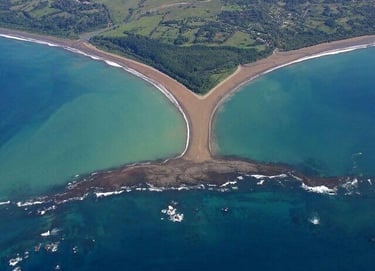
Nestled in Bahía Ballena, Uvita, just minutes from Marino Ballena National Park and pristine beaches.
Address
Uvita, Bahía Ballena, Costa Rica, 3.45 hrs from Juan Santa María Airport, 45 minutes from Quepos Airport.
Nearby Gems
Explore stunning spots just minutes from Casa Linda Uvita.
Marino Ballena 5 minutes(800 mts) from CasaLinda
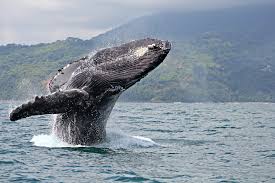
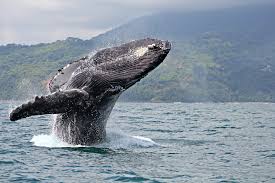
It is the favorite place of humpback whales and several types of dolphins, this park turns on and off in a natural scenery where these animals can be observed.
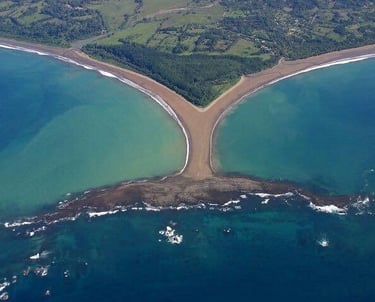
Humpback whales come every year (July to October) to carry out their reproductive cycle; they arrive to the park place where there is a rocky and sandy formation that resembles the tail of a whale. This curiosity is the main attraction of the place.
Inside the park you can visit the tómbolo (whale tail), go and enjoy the beaches or practice superficial and deep diving to see a huge range of marine life. You can also enjoy the calmed sea that bathes these shores or boating on nearby islands.
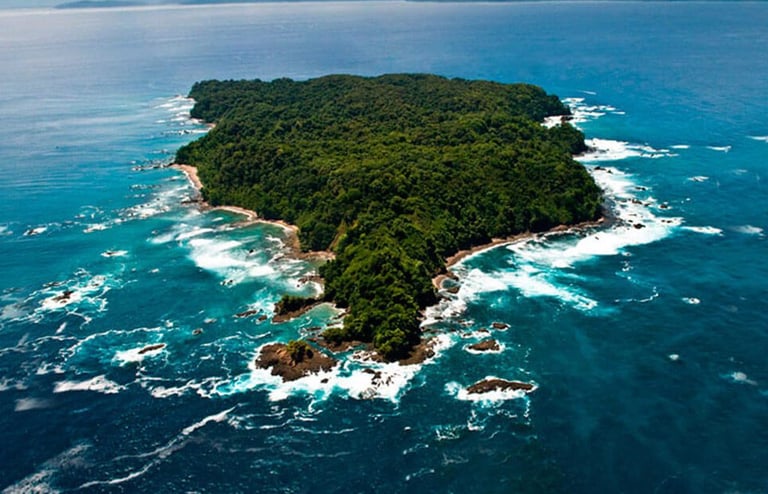
The wonderfull Isla del Caño
A 1.30 minute boat ride from Marino Ballena Park
Isla del Caño is a biological reserve located in the Pacific region of the country, about 16bkm northwest of the Osa Peninsula, Puntarenas.
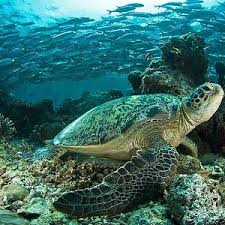
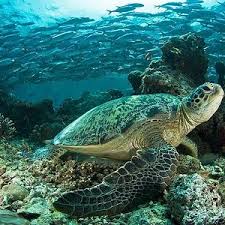
Isla del Caño covers 320 hectares of land and 5,800 hectares of sea. It has one of the most extensive and healthiest coral formations on the Pacific Coast of Costa Rica. In fact, the reserve contains five coral platforms that range from 0.8 to 4.2 hectares in size.
Here you will find the ruins of stone spheres that were created by pre-Columbian civilizations. The island was occupied by several peoples. It is believed that between 700 and 1500 BC the island was used as a cemetery by the Chiriquis, or as a permanent residence for the Quepos or Brunca peoples.
The reserve is a breeding site for humpback whales from both the northern and southern hemispheres, as well as a resident species of dolphins.
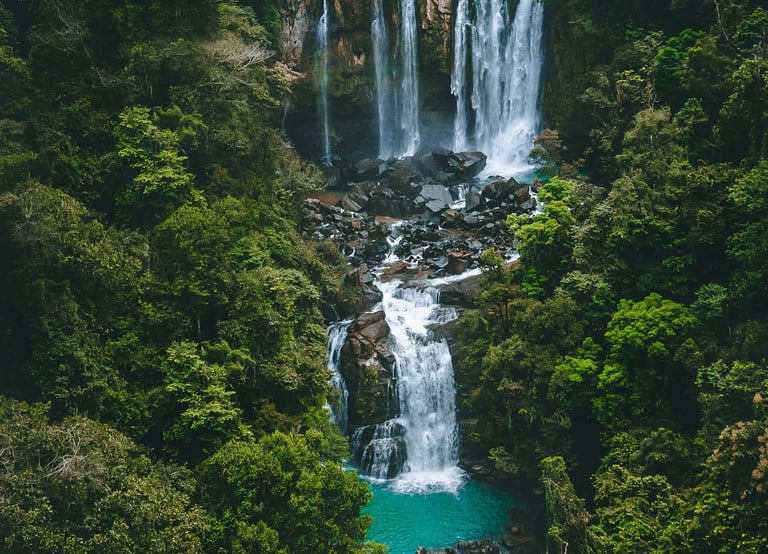
Nauyaca Falls 30 minutes from CasaLinda
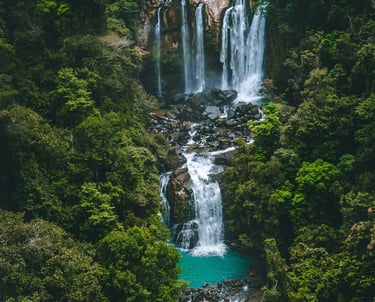
Are a stunning, two-tiered waterfall system located in the rainforest near Dominical, Costa Rica. With a combined height of roughly(), the upper fall is picturesque, while the lower fall features a large natural pool popular for swimming. They are accessible by hiking, horseback riding, or 4x4 trucks.
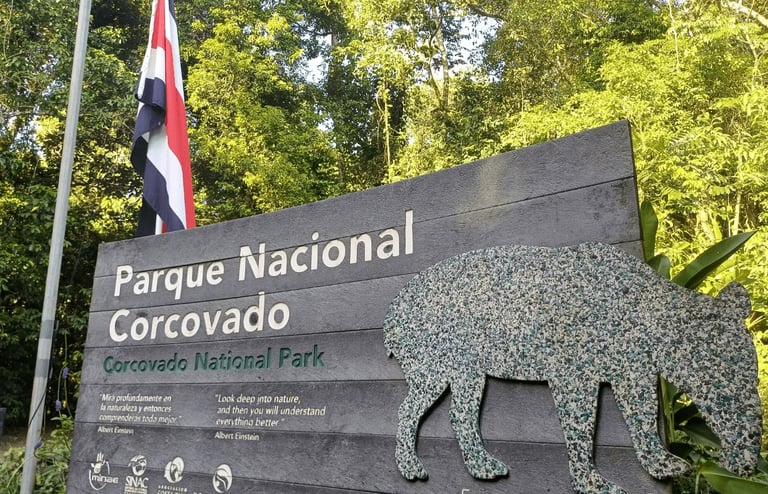
Corcovado National Park
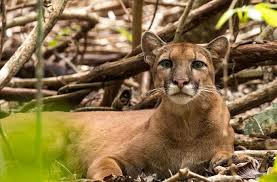
The protected area of Corcovado encompasses 41,788 ha of shallow lakes, swamps, mangroves, rivers, lowland rainforests and cloud forests, as well as 46 km of sandy coastline. It is one of the most unique ecosystems in Central America, welcoming naturalists who come from around the world to study it. Its extensive territory allows visitors to observe the biodiversity of one of the last truly untouched areas of Central America. The park is home to 6,000 insect species, 500 tree species, 367 bird species, 140 species of mammals, 117 species of amphibians and reptiles, and 40 species of freshwater fish.
The park has several trails for hikers and rustic refuges for camping. All visitors must enter with an authorized guide. Less adventurous visitors can also enjoy the park on boat trips through its waterways, or fly into Sirena Station. Keep your eyes open: whales and parrots are just some of the animals you can see in Corcovado. Indeed, visitors can see many endangered animal species here. The park services include information, a park ranger station, a landing strip, trails, signage, restrooms, drinking water, camping area, radio communications and rustic accommodations.